
Dec 19, 2024
Balance Sheet
What is a Balance Sheet?
A balance sheet is a financial statement that provides a summary of a company's financial position at a specific point in time. It lists the company's assets, liabilities, and shareholders' equity, allowing stakeholders to assess the organization's financial health. The balance sheet is often referred to as a statement of financial position or statement of financial condition.
To put it simply, imagine a balance sheet is a snapshot of your financial health at a specific moment. It shows what you own (your assets), what you owe (your liabilities), and what's left over (your net worth or equity).
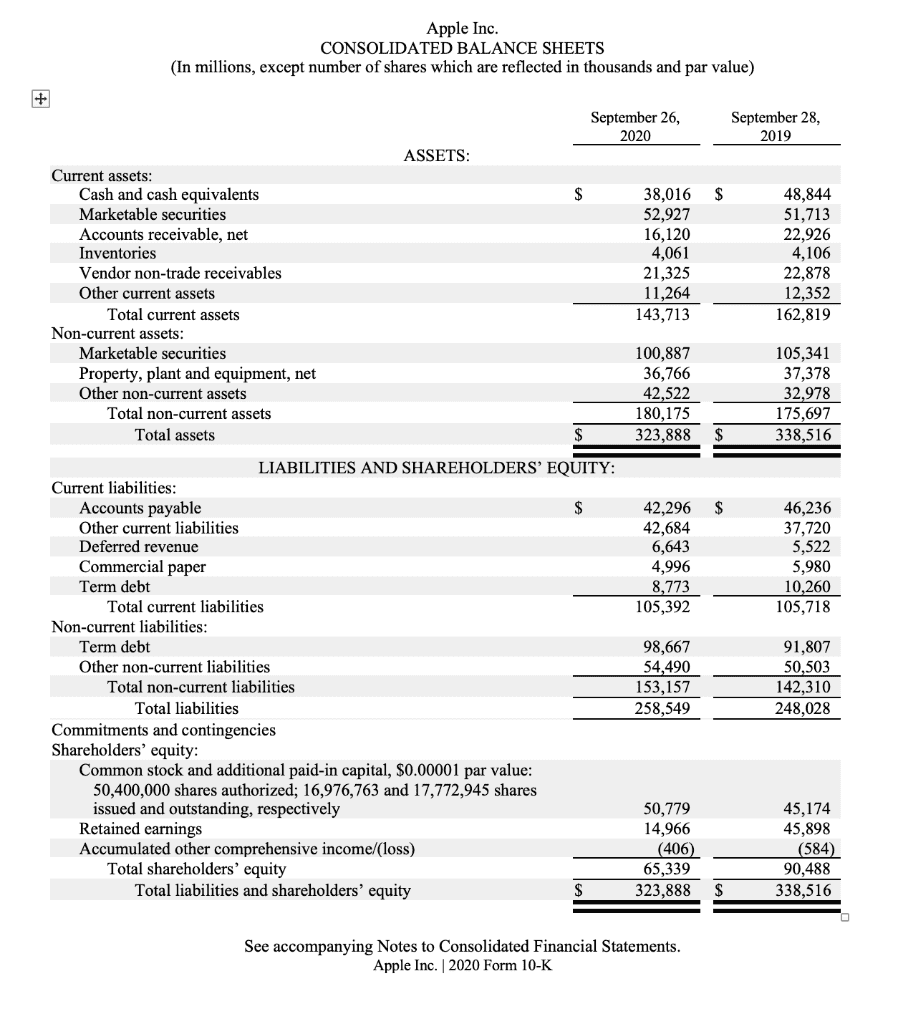
How a Balance Sheet Works
A balance sheet is typically prepared at regular intervals (monthly, quarterly, or annually) and serves as one of the three core financial statements alongside the income statement and cash flow statement. Here’s how it works:
Preparation: At the end of each reporting period, accountants compile data on all assets, liabilities, and equity to create an updated balance sheet.
Balancing Act: The total value of assets must equal the sum of liabilities and shareholders' equity. If discrepancies arise, they indicate errors in data entry or accounting practices that need correction.
Analysis: Stakeholders analyze the balance sheet to compute key financial ratios such as:
Current Ratio: Current Assets / Current Liabilities
Debt-to-Equity Ratio: Total Liabilities / Shareholders' Equity
Return on Equity (ROE): Net Income / Shareholders' Equity
Components of a Balance Sheet
Assets: Things you own that have value, like cash, investments, your car, or your house.
Liabilities: Debts you owe, such as student loans, credit card balances, or a car loan.
Shareholders' Equity/ Equity (Net Worth): What's left after you subtract your liabilities from your assets. It's like your financial net worth.
How to Read a Balance Sheet
It's like reading a simple equation:
Assets= Liabilities + Equities
This equation illustrates that all assets must be financed either through debt (liabilities) or equity (shareholders' investments). The two sides always have to balance.
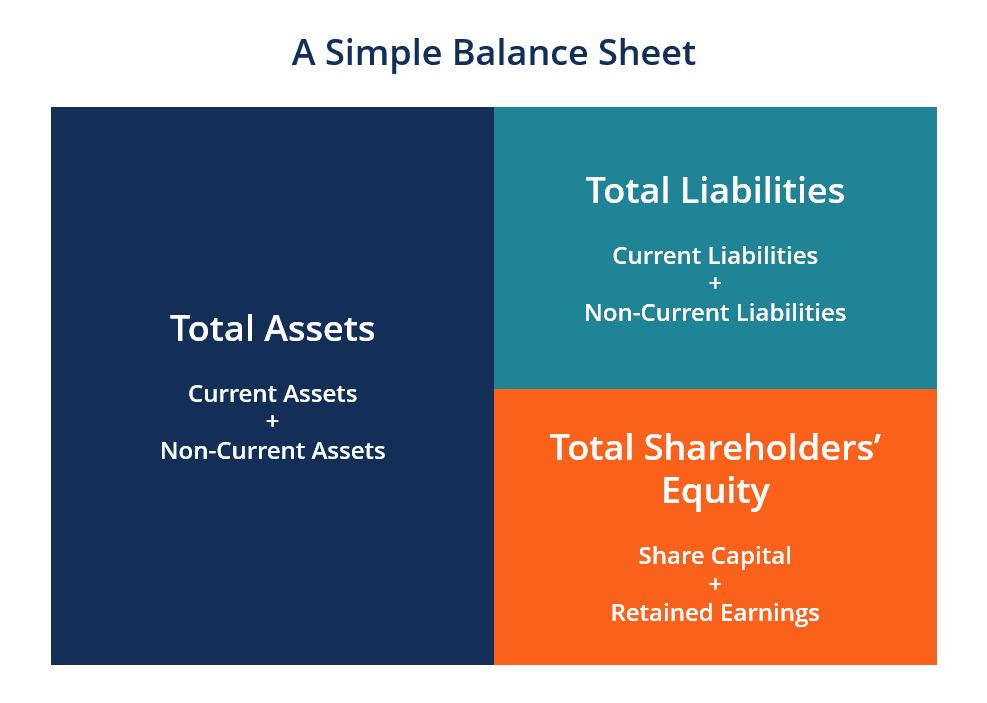
Function of a Balance Sheet
Functions for Companies
Financial Health Assessment:
Solvency: Measures the company's ability to meet its long-term financial obligations.
Liquidity: Assesses the company's short-term ability to meet its financial obligations.
Financial Structure: Evaluates the balance between debt and equity financing.
Investment Decisions:
Helps investors evaluate the company's financial strength and potential for future growth.
Provides insights into the company's asset allocation and risk profile.
Creditworthiness:
Lenders use the balance sheet to assess the company's creditworthiness and determine the terms of loans.
Operational Efficiency:
Helps identify areas where the company can improve efficiency, reduce costs, and increase profitability.
Functions for Individuals
Financial Health Assessment:
Helps individuals understand their net worth and financial position.
Identifies areas where they can improve their financial situation.
Financial Planning:
Provides a foundation for setting financial goals and creating a budget.
Helps individuals make informed decisions about spending, saving, and investing.
Debt Management:
Helps individuals assess their debt levels and develop strategies to reduce debt.
Enables individuals to monitor their debt-to-income ratio.
What if You Don't Have One?
Entrepreneurs: It's crucial for making sound business decisions and attracting investors.
Individuals: You might miss opportunities to improve your financial situation.
Should Students Have One?
Even if you're a student with few assets, creating a simple balance sheet can help you:
Understand your financial situation.
Set savings goals.
Make smart money decisions.
Remember, a balance sheet is a valuable tool for anyone who wants to take control of their finances.
Who can create a balance sheet?
Anyone can create a basic balance sheet. It's a simple tool to track your financial health. However, for complex financial situations or businesses, it's often best to consult with an accountant.
Is there a difference between an accountant balance sheet and finance balance sheet?
While both accountants and finance professionals use balance sheets, there is a subtle difference in their focus:
Accountants: Tend to focus on the historical cost and current market value of assets.
Finance Professionals: Often consider the future value and long-term potential of assets.
This difference in perspective reflects the different roles of accountants and finance professionals within an organization. Accountants are primarily responsible for recording and reporting on past financial transactions, while finance professionals are more focused on analyzing financial information and making decisions about the future.